
The Kamiros Votives: Intimate Prayers in Miniature Offerings
Table of Contents
Prayers in Clay
Among the grand statues and architectural remnants of ancient Rhodes, it is often the smallest objects that speak the loudest. The Kamiros Votives—simple terracotta figures, miniature limbs, and stylized animals—capture the quiet, personal expressions of faith offered in temples and rural sanctuaries.
Made not for display but for divine attention, these objects embody a form of devotion that was tactile, modest, and deeply sincere. They reflect moments of hope before a prayer, or gratitude after a healing, shaped not by artistic ambition but by spiritual intimacy.
These votives are not monuments of power, but tokens of presence—offered by hands that sought protection, answered prayers, or a sign that the gods were listening.
Kamiros Votives: Excavation and Context
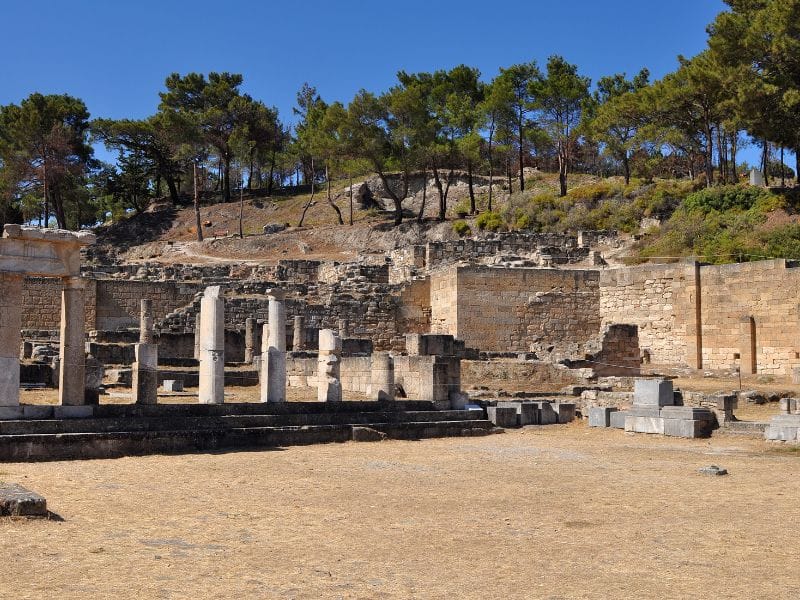
Most of the votives were found in and around Kamiros, a city known for its strong religious life and well-organized sanctuaries. Dating primarily to the Archaic and Classical periods, these offerings were placed by ordinary people—farmers, parents, soldiers—seeking divine favor or giving thanks for blessings received.
Excavations at sanctuaries such as those dedicated to Athena, Artemis, and later Asclepius have revealed large deposits of these small objects, often clustered near altars or votive pits. Their repetition and quantity suggest habitual practice, almost like a dialogue with the gods maintained over years.
Forms and Materials
The votives take many forms. Some are miniature limbs—arms, legs, feet—likely offered in connection with healing or injury. Others are animal figures, possibly symbolizing sacrificial substitutes. A third group includes small human figurines, often in a posture of prayer or gesture of offering.
Made of terracotta, these votives were molded or hand-shaped, fired in kilns, and occasionally painted. The material was humble but effective—accessible to all and durable enough to survive the centuries.
Meaning and Function
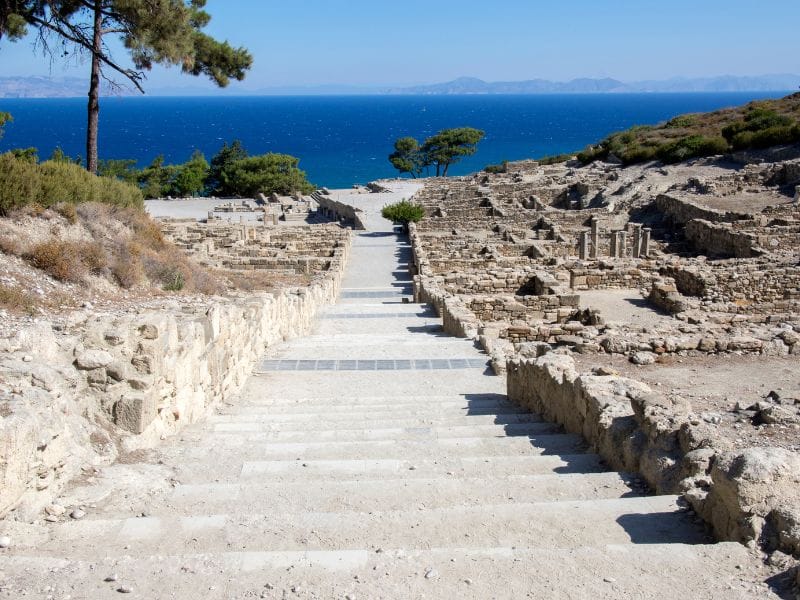
Each votive told a story, even if the words are lost. A molded leg might represent a healed wound; a figurine of a child might celebrate a birth or ask for protection. In the sanctuaries of Kamiros, these offerings created a shared sacred space filled with silent testimonies of need, gratitude, and reverence.
Their function was both spiritual and symbolic. By offering something tangible, worshippers formed a lasting bond with the divine, leaving behind a fragment of their inner world. Some votives were part of ritual obligations, others spontaneous acts of devotion.
Craftsmanship and Style
Though many were mass-produced using simple molds, some votives reveal individual craftsmanship. Slight asymmetries, hand-scratched details, or unique features distinguish certain pieces as personal creations. This blend of standard form and personal touch reflects the balance between communal worship and private emotion.
Stylistically, the Kamiros Votives align with Eastern Aegean artistic trends—graceful proportions, stylized features, and a modest approach that prioritizes symbolism over realism.
Display in the Museum

In the Archaeological Museum of Rhodes, these votives are displayed in themed cases, grouped by type and function. They are arranged not as isolated masterpieces but as a collective voice. Their repetition becomes powerful, their simplicity becomes poetic. Visitors may pass them quickly, but a closer look reveals layers of meaning and emotion.
Unlike the heroic sculptures nearby, these objects whisper rather than shout. They remind us that devotion in antiquity was as often expressed in clay as in marble.
Where the Small Becomes Sacred
The Kamiros Votives prove that size does not determine spiritual weight. These terracotta offerings are intimate declarations of belief—fragile but enduring links between human need and divine presence. In their simplicity, they preserve the voice of a people who reached toward the sacred not with grandeur, but with humble, heartfelt gifts.