

Visiting the Palace of the Grand Master from a Cruise Ship (Step-by-Step)
Introduction Yes, visiting the Palace of the Grand Master from a cruise ship is one of the easiest and safest
The 2026 cruise season is expected to be one of the most active Rhodes has experienced in recent years. Cruise schedules already indicate hundreds of ship calls between April and October, with peak months generating tens of thousands of onshore visitors per month. During the year, Rhodes will welcome cruise ships from major international lines, including vessels such as Viking Star, Celebrity Infinity, Norwegian Viva, MSC Opera, Silver Muse, and Seven Seas Voyager, reflecting a strong mix of premium, luxury, and large-capacity cruise traffic.
Cruise activity is expected to peak primarily between Monday and Wednesday, days that consistently concentrate the highest number of arrivals and generate the most intense visitor flow toward the Medieval City and the Palace of the Grand Master.
Yet numbers alone do not explain impact. What defines the experience is how visitors move through the city.
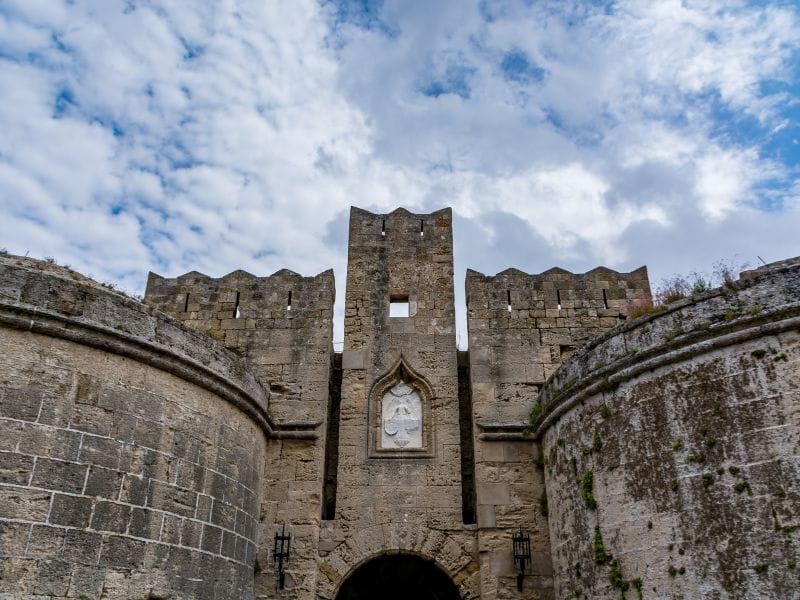
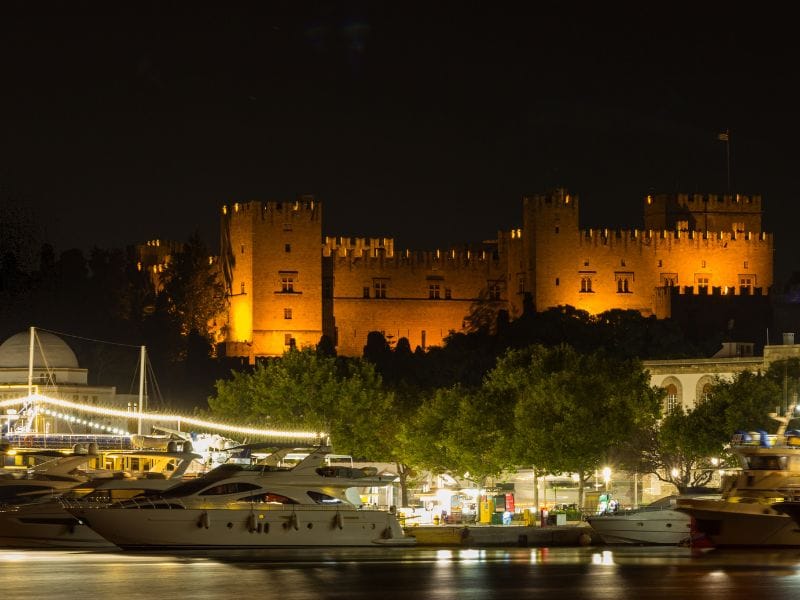
All cruise passengers disembark at the Tourist Port, directly opposite the Medieval City. From that point onward, visitor movement follows a pattern shaped by centuries of urban history: entry through the Old Town gates, ascent along the Street of the Knights, and arrival at the Palace of the Grand Master of the Knights of Rhodes.
This route is not incidental. It reflects both geography and symbolism.
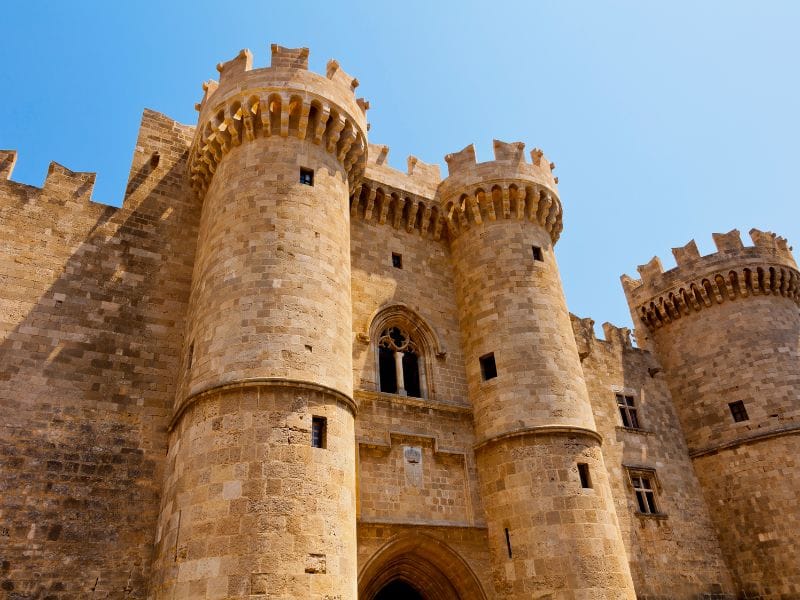
For cruise visitor typically ashore for four to six hours, the Palace of the Grand Master is the defining monument of Rhodes: the highest point of the Medieval City, the administrative and symbolic heart of Hospitaller rule, and the most historically concentrated site they can realistically experience within a limited timeframe.
As cruise traffic increases, the Palace absorbs pressure first. This results in:
In this context, the quality of the visit depends not on duration, but on orientation and understanding.
Cruise passengers arrive informed and curious, but time-constrained. Many want more than photographs; they want context, yet they cannot commit to long tours or obsolete group itineraries.
This is where self-guided audio interpretation becomes essential.
A well-constructed audio guide allows visitors to:
Rather than competing with the monument, audio interpretation supports and clarifies it.
The Palace does not exist in isolation. It belongs to a broader defensive and urban system.
For visitors seeking that wider context, the Castles of Rhodes Audio Guide places the Palace within the island’s network of fortifications and strategic sites, explaining why Rhodes functioned as a military and political stronghold.
From there, many visitors continue into the surrounding city. The Rhodes Old Town Self-Guided Audio Tour for Cruise Visitors is designed specifically for this transition, offering a structured route that respects limited time while maintaining historical continuity and is available at 10€ per license up to 5 people access! It needs no installation, you can keep the access for many many days and you get instant delivery at your email!
Those wishing to deepen their understanding can extend the experience with the Archaeological Museum of Rhodes Audio Guide, shifting focus from power and defense to material culture and daily life. The experience can be completed with the Old Town Rhodes Self-Guided Audio Guide, which presents the Medieval City as a living, layered environment with the Palace as its central reference point.

Alongside the increase in cruise arrivals, the Palace of the Grand Master has undergone targeted, visitor-focused improvements. A key example is the renewal of the café within the Palace complex. Far from being a secondary amenity, the café functions as a natural pause point—especially valuable for cruise visitors navigating dense crowds and tight schedules.
For many, this pause becomes part of the interpretive process: a moment to sit, listen, and continue engaging with the monument through audio content. In this way, physical space and digital interpretation work together, allowing history to settle rather than blur into the next stop.
At the same time, access management has become critical. Visits to the Palace operate on specific time slots, particularly on peak cruise days. Entry is permitted only within the selected time slot, or up to 15 minutes before or after, and availability cannot be adjusted on arrival.
For cruise passengers, this makes online booking almost essential. By securing an entry ticket in advance, (https://grandmasterpalacerhodes.gr/product/palace-of-the-grand-master-entry-ticket-with-digital-companion-guide/),
visitors guarantee access, avoid queues, and enter the monument already oriented. In a visit measured in hours, this preparation often determines whether the experience feels rushed or complete.
Certain visitor categories are entitled to free admission to the Palace of the Grand Master, in accordance with official cultural heritage regulations.
Free tickets apply exclusively to:
Free admission is granted only upon presentation of a valid ID card or passport at the entrance, where age and nationality are verified.
It is important to note that free admission does not bypass access rules. Entry is still subject to strict time slots, with access allowed only within the selected window (or up to 15 minutes before or after). Once selected, the travel date and entry time slot cannot be changed under any circumstances.
For cruise visitors in particular, this makes advance planning essential. During high-traffic days, availability may be limited, and even eligible visitors risk missing access without proper preparation.
The projected growth in cruise arrivals during 2026 will place unprecedented pressure on Rhodes’ most important monument. It also presents an opportunity: to ensure that increased numbers do not lead to reduced understanding.
The Palace of the Grand Master will remain the physical and symbolic center of the cruise visitor experience. Thoughtful access management, combined with high-quality self-guided interpretation, ensures that even short visits can become meaningful encounters with history.
Introduction Yes, visiting the Palace of the Grand Master from a cruise ship is one of the easiest and safest
Introduction If you only have a few hours ashore, the best attractions are the ones you can lock in without
We use cookies to improve your experience on our site. By using our site, you consent to cookies.
Manage your cookie preferences below:
Essential cookies enable basic functions and are necessary for the proper function of the website.
Stripe is a payment processing platform that enables businesses to accept online payments securely and efficiently.
Service URL: stripe.com (opens in a new window)
WooCommerce is a customizable eCommerce platform for building online stores using WordPress.
Statistics cookies collect information anonymously. This information helps us understand how visitors use our website.
Google Analytics is a powerful tool that tracks and analyzes website traffic for informed marketing decisions.
Service URL: policies.google.com (opens in a new window)
SourceBuster is used by WooCommerce for order attribution based on user source.
You can find more information in our Privacy Policy and Privacy Policy.