
Byzantine Mosaics from Karpathos: Stones that Preach
Table of Contents
Τheology in Tesserae
In the early Christian world, scripture was not only read—it was seen, walked upon, and felt. The Byzantine Mosaics from Karpathos offer a rare glimpse into this visual theology, where floors were not simply decorative but devotional.
Every motif and geometric figure served as a silent homily; every stone, a fragment of divine meaning. In churches and sacred spaces, these intricate floors invited the faithful to tread on symbols of salvation, resurrection, and eternal life.
The artistry was never for beauty alone. Patterns of crosses, fish, vines, and circles carried liturgical and eschatological messages. Carefully placed tesserae translated belief into color and form, making theology tangible.
These mosaics were as much acts of worship as they were feats of craftsmanship—visual expressions of sacred presence that transformed ordinary movement into a spiritual act. Preserved now within the Archaeological Museum of Rhodes, they continue to speak to the eye and the spirit alike.
Discovery and Provenance

These mosaics originate from early Christian basilicas on the island of Karpathos, dating from the 6th to 7th centuries CE. Unearthed during systematic excavations, they were transferred to the Archaeological Museum of Rhodes for conservation and display.
Though they are no longer underfoot in their original churches, they continue to serve their symbolic role—inviting contemplation and reverence. The mosaics speak not only to local devotion but also to the broader Byzantine effort to integrate art and worship into a unified religious experience.
Byzantine Mosaics from Karpathos: Design and Symbolism
The designs feature a rich vocabulary of Christian symbols and geometric compositions. Interlacing circles, vine scrolls, and meanders create a visual rhythm that leads the eye—and spirit—forward. Among the most notable symbols are:
- The cross, at times plain, at times elaborately woven into patterns.
- The fish (ichthys), a sign of Christ and the Eucharist.
- The grapevine, evoking both paradise and sacramental wine.
These were not mere ornaments. In an era of limited literacy, such visuals acted as theological statements accessible to all.
Materials and Craftsmanship
Constructed from small, hand-cut tesserae, the Byzantine Mosaics from Karpathos combine local limestone with imported colored glass, ochres, and occasionally gold leaf. The craftsmen displayed remarkable precision in curve, spacing, and symmetry—hallmarks of skilled Byzantine artisans.
The floor surfaces were not only beautiful but also durable, withstanding the passage of thousands of feet while retaining their spiritual clarity.
Liturgical and Architectural Role
The Byzantine Mosaics from Karpathos were more than decorations—they were part of the liturgical landscape. Set into the naves, bema floors, and entryways of Karpathian churches, they guided the worshipper’s journey from secular space to sacred encounter. As one walked across the symbols, one entered into theological rhythm: step by step, closer to divine mystery.
Some motifs aligned with the church’s architectural axis, reinforcing the centrality of the altar. Others created zones of meditative pause, encouraging reverence before sacred rites.
Display in the Rhodes Museum

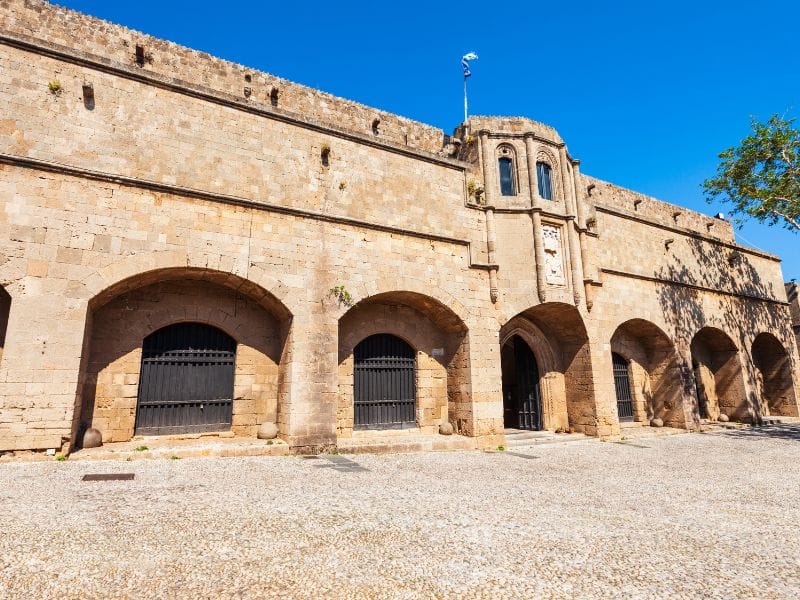
In the Archaeological Museum of Rhodes, the Byzantine Mosaics from Karpathos are presented as fragments of a once-complete whole. They are mounted with care, allowing visitors to appreciate their structure, color variation, and underlying symmetry.
Interpretive panels help reconstruct their original setting, bridging the gap between artifact and experience. Amid a collection filled with sculpture and funerary art, these mosaics bring forward a different voice—silent, sacred, and geometrically precise.
When Art Became Scripture
The Byzantine Mosaics from Karpathos are testimonies in stone—chapters of sacred story written in pattern and pigment. They reveal how faith found form through beauty, and how devotion was embedded into the very floors where believers once stood. In these tessellated surfaces, art and worship walked side by side.