
Burial Pithoi: Death in Clay and Ritual
Table of Contents
Where the Dead Met Clay
Long before temples and marble statues appeared on Rhodes, people buried their dead in massive clay jars known as burial pithoi. These vessels—broad, heavy, and handmade—were not merely containers for human remains.
They represented the physical and symbolic embrace of the earth, cradling the deceased in clay as if returning them to a deeper origin. In this early funerary tradition, there was no sharp boundary between the living and the ancestral.
The Burial Pithoi mark the island’s earliest known funerary practice, revealing a ritual landscape shaped by belief, community memory, and a profound sense of continuity. Their presence in the museum reminds us that even the simplest materials—earth, water, fire—can hold the weight of eternity.
Origins and Discovery
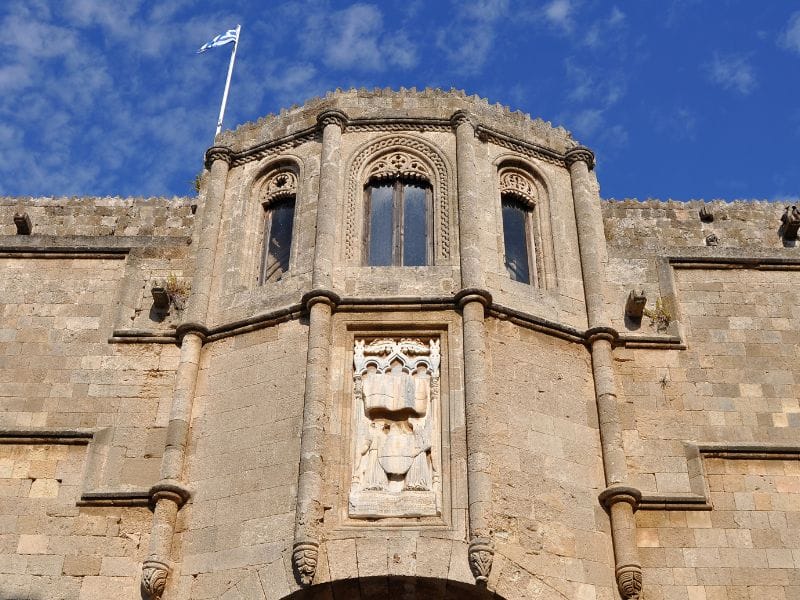
Most burial pithoi discovered on Rhodes come from the Bronze Age cemeteries of Ialysos, regions that hosted some of the island’s first organized settlements. These sites yielded dozens of large clay jars, sometimes still sealed, offering archaeologists a rare glimpse into early Rhodian customs.
Their use stretches as far back as the third millennium BCE, linking Rhodes to broader Aegean traditions shared with Minoan Crete and the Cyclades. The pithoi were typically buried in sandy soil, sometimes grouped into family clusters.
The practice was especially common for children, though adult burials are also attested. Their presence signals a society that honored its dead not with grand monuments, but with humble, enduring vessels rooted in the land itself.
Structure and Function
The typical burial pithos stood about one to one-and-a-half meters tall, with a bulbous belly and narrow mouth. Made from reddish terracotta and shaped by hand or wheel, these jars were laid on their sides, often partially embedded in the ground.
The body of the deceased—usually in a contracted, fetal position—was placed inside, suggesting a symbolic return to the womb. Lids or stone slabs would seal the opening. In many cases, the jars show signs of having been reused or carefully repaired, indicating their value and the continuity of ritual over generations.
Symbols and Decoration

Though function came first, many burial pithoi were also decorated with painted or incised motifs. Spirals, chevrons, and zigzags dominate—patterns that may have symbolized cycles of life, protective energies, or tribal affiliation.
In some examples, horizontal bands or herringbone designs encircle the belly of the jar, visually reinforcing its role as both vessel and symbol. These designs connect Rhodes to a network of prehistoric iconography spread across the Aegean and eastern Mediterranean, affirming the island’s place in early trade and cultural exchange.
Grave Goods and Burial Customs
Several pithoi were discovered with grave offerings tucked inside or nearby—small ceramic cups, bronze pins, shell beads, or simple tools. These objects were more than personal items; they were tokens of memory, indicators of social status, or provisions for the afterlife.
Particularly in children’s burials, these grave goods suggest tenderness and continuity—mourning paired with care. The repetition of such objects across different sites reveals a consistent belief system, one rooted in the idea that even the smallest lives merited ritual attention.
Cultural Significance in the Museum Context
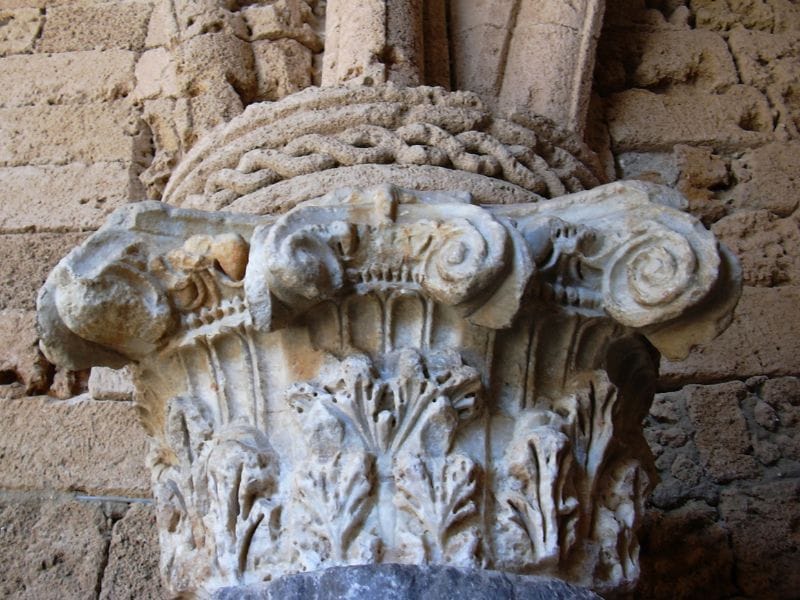
In the Archaeological Museum of Rhodes, the burial pithoi are arranged with quiet solemnity. Their size immediately captures the eye, but their worn surfaces and restrained beauty invite reflection.
Positioned among the earliest artifacts of the island, they silently mark the beginning of Rhodian history—not with written texts, but with clay, fire, and burial custom. They remind us that memory need not be monumental to be meaningful. Sometimes, it is shaped by hand and left in the ground for the future to rediscover.
Clay as Memory
The Burial Pithoi represent one of the most intimate and enduring acts of remembrance in the island’s prehistoric past. They tell a story of communities that saw the earth as both cradle and grave, of rituals that embraced humility, and of a people whose legacy lives not in words, but in terracotta. These jars held more than the dead—they held identity, faith, and the first whispers of civilization on Rhodes.