
Animals in Ancient Rhodes: Lions, Bulls, Sea Creatures, and Symbols
Table of Contents
More Than Beasts
In ancient art, animals were never just animals. They were signs, guardians, offerings, and messengers. Especially in Rhodes—a crossroads of myth, trade, and devotion—animals embodied strength, divine will, and cosmic significance.
They lived in both the real and symbolic worlds, bridging the boundary between the human and the sacred. The presence of creatures in sculpture, mosaics, pottery, and votive objects reveals how the Rhodians interpreted their surroundings.
Lions, carved in stone, stood for vigilance and power; bulls evoked sacrifice and fertility; dolphins, sea serpents, and fish wove together the island’s marine life with divine mythology.
Through the lens of Animals in Ancient Rhodes, we glimpse a worldview where nature was not passive—it was meaningful. Each beast told a story. Each figure held weight. These were not mere decorations, but reflections of belief, identity, and place.
Lions and Power
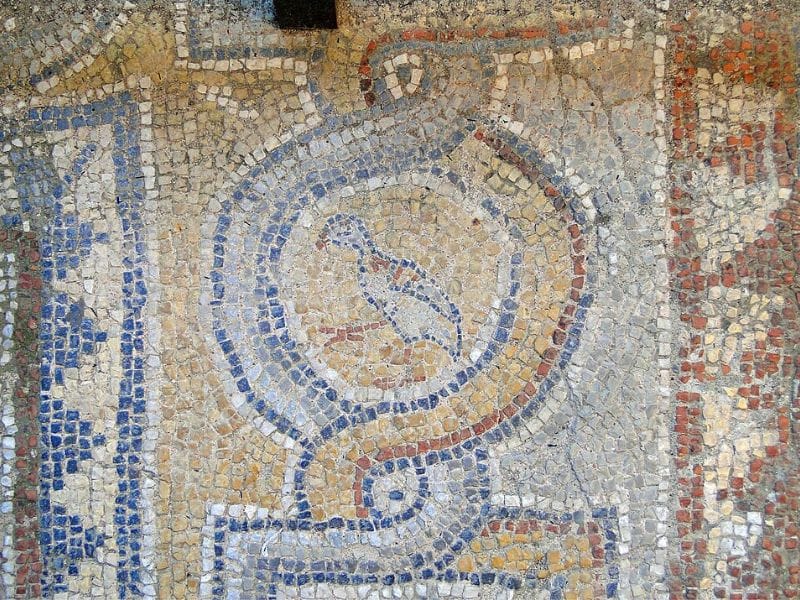
One of the most visually striking motifs in the museum is the lion. Carved from marble and often placed in courtyards or atop fountains, lions symbolized power and protection. In some contexts, they echo Eastern traditions where the lion guards sacred space.
In others, they refer to Greek myth—such as the Nemean lion slain by Heracles, a hero closely associated with strength and virtue. The courtyard lion of the museum, thought to date from the Venetian or Hospitaller period, continues this tradition. While later in origin, it reflects a continuity in symbolism: the lion as a sentinel of authority and vigilance.
Bulls and Ritual Strength
The bull also held a prominent role in Rhodian iconography. This animal, rooted in Minoan and Eastern Mediterranean rituals, signified masculine vitality, fertility, and sacrificial potency. In sculptures and reliefs, bulls appear in both aggressive motion and subdued offering poses, revealing a duality of fear and reverence.
These images connect Rhodes with broader religious practices of the Aegean and Asia Minor, where bull sacrifice was both ritual drama and agrarian symbolism.
Marine Life in Mosaic and Pottery
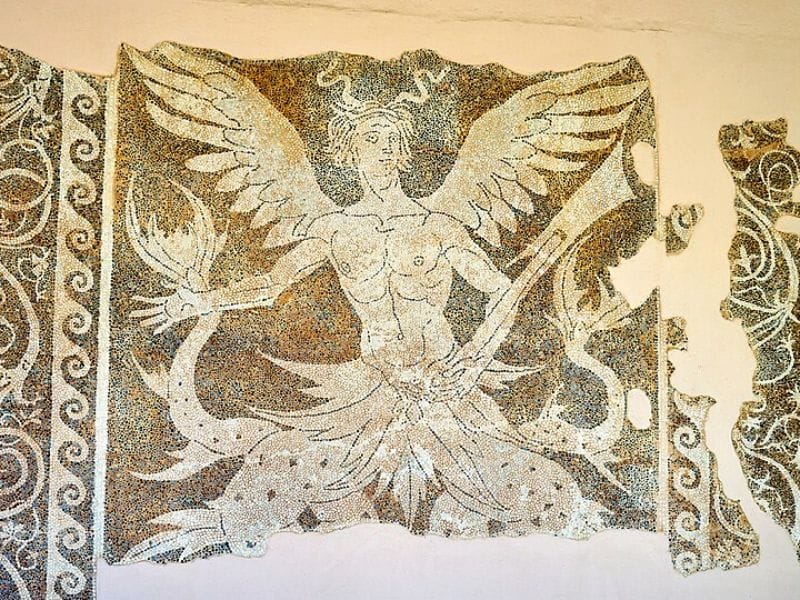
No less significant are the sea creatures—especially in mosaics from Roman Rhodes. The Mosaic of the Sea Creatures, also in the museum, features dolphins, fish, and hybrid beings in fluid motion. Their placement in private homes linked maritime identity with domestic space.
In ceramics, sea animals appear as decoration and mythic reference, alluding to Rhodes’ economic reliance on the sea and its cultural admiration for Poseidon, Tritons, and the unpredictable beauty of the marine world.
Sacred Animals and Deity Associations
Animals also served as divine emblems:
- The eagle, representing Zeus, often appeared in coins and military insignia.
- The snake, sacred to Asclepius, symbolized healing and renewal.
- The dove, a gentle companion of Aphrodite, evoked love, peace, and sacred femininity.
These associations gave animals a liturgical function, appearing in votives and temple decorations as bridges between mortal and divine.
Museum Display: Animals Through the Ages
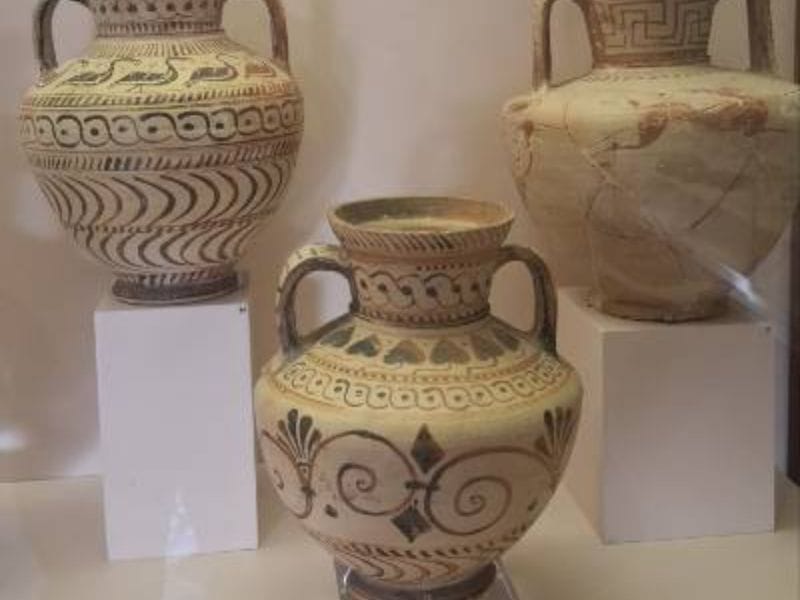
The Archaeological Museum of Rhodes presents animal imagery across a broad chronological spectrum—from Archaic sculpture bases to Byzantine mosaic fragments. Rather than isolating each by style or function, the museum allows visitors to witness the evolution of animal symbolism over time.
In this way, animals serve as aesthetic and thematic threads, connecting the religious, civic, and domestic dimensions of Rhodian life.
A Symbolic Ark of Meaning
Animals in Ancient Rhodes were far more than artistic embellishment. They were active participants in a cultural language—speaking of fear, reverence, beauty, and belief.
Whether carved into marble, stamped into clay, or swimming through tesserae, these creatures carried stories of gods and humans alike. Through them, we see not only nature, but the way Rhodians defined themselves within it.